
Things to Do in Osaka, and Which Ones Are Worth the Ticket

What we would book or buy
Booking partner
Klook
activities
Booking partner
KKday
activities
Osaka is unusual among big Japanese cities in that its reputation rests on eating rather than on monuments. There is a castle, there are towers, there is a theme park — but the reason people come back is a street of counters where you stand and eat for ten minutes and move on.
That shapes the decision. A day spent collecting paid attractions can easily cost more and deliver less than a day spent walking two food districts and paying for nothing but the metro. So this list is sorted by what you get for the money, starting with the parts of the city that cost almost nothing and working towards the tickets that actually earn their place.
If you are still working out how to fit days together, our three-day Osaka itinerary is the pacing companion to this page.
The food districts, which are the actual attraction
Three areas carry most of the city’s reputation, and none of them needs a ticket.
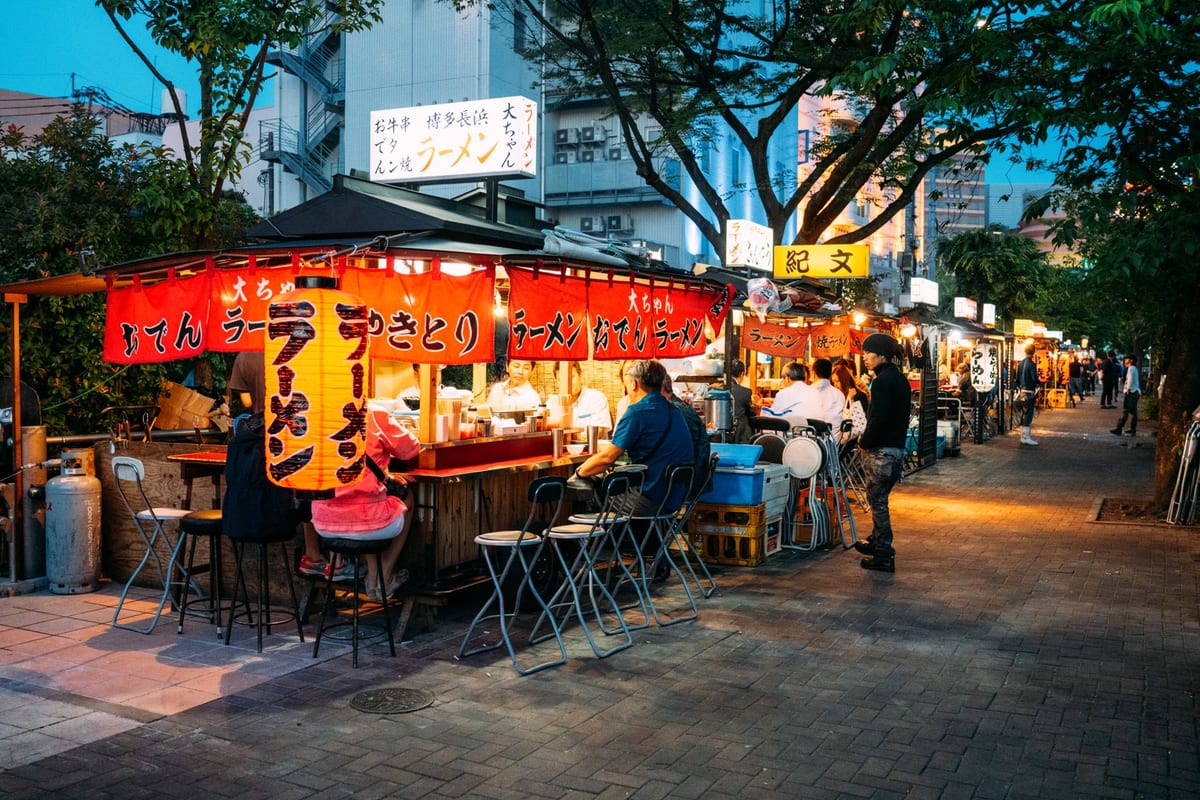
Dotonbori. The canal, the signs, the crowd. Everything people picture when they picture Osaka. The eating is street-level and fast: takoyaki, kushikatsu, crab, okonomiyaki. Come at dusk, when the signs are on and the heat has gone out of the day, and accept that you will queue for the good counters.
Shinsekai. The retro district around Tsutenkaku, where the speciality is kushikatsu — deep-fried skewers — eaten at counters with a shared pot of sauce and a rule you do not dip twice. It is scruffier than Dotonbori and considerably more interesting.
Kuromon Market. A covered market lane rather than a restaurant. You graze standing up, mostly seafood and fruit, and you go early or late rather than at lunch, when the aisle becomes single file. Cash helps here more than anywhere else in the city.
The practical rule for all three: eat in small amounts at several places rather than one large meal, and carry cash for the counters that do not take cards.
The paid attractions, ranked by what they give you
Osaka Castle. Worth it for the park and the setting; the interior is a museum in a reconstructed building rather than a preserved castle. Go in the first hour after opening. If you are short of time, the grounds alone are a good morning and cost nothing.
Umeda Sky Building observatory. The best paid viewpoint in the city, and the one worth doing at dusk so you get both the daylight and the lights. There is an open-air roof deck, which is why it beats a glass-box observatory on a clear evening.
Tsutenkaku. The tower in Shinsekai. Short, modest, and mostly worth it for the neighbourhood at its base rather than the view. Skip it if you have already done the Umeda deck.
The aquarium. Genuinely good, and genuinely a half-day. It suits families and rainy days better than a clear afternoon, because the building is indoors and the queue is long either way.
Universal Studios Japan. A full day and a separate category of purchase. The park ticket and the Express Pass are two different products, and the Express does not include admission — our guide to the USJ Express Pass explains which packages include Super Nintendo World entry, because most of the confusion is there.
If you want one paid thing in Osaka and you are not doing the park, make it the Umeda deck at dusk. If you are doing the park, skip the deck: you will not have the evening.
The sightseeing pass question
Osaka sells a combined pass that bundles metro travel with entry to a long list of attractions, and it is the single most over-bought product in the city. The maths is not complicated but it requires honesty about your own plan.
Count the included attractions you would actually visit, not the ones you might. The pass pays when you are doing three or four of them in a day or two, plus enough metro journeys to matter. It does not pay when you are doing one castle and a lot of eating, which is the plan most people actually follow.
Two practical points. The included list changes between seasons, so a pass bought on the strength of last year’s list can disappoint. And the pass does not cover the theme park, which is a separate purchase either way. Check the current list on the operator’s own page and compare it against your plan before you buy — not after you have walked past two of the included sights because you were busy eating.
The neighbourhoods worth walking for free
Between the headline districts there are quieter streets that reward an hour of walking rather than a ticket.
- Nakazakicho, north of Umeda: low-rise, old wooden houses turned into cafés and small shops. The closest thing Osaka has to a slow neighbourhood.
- Hozenji Yokocho, off Dotonbori: a single stone-paved lane with a moss-covered shrine and small restaurants. Two minutes from the crowds and completely different in feel.
- Tenma, near the river north of the castle: a working shopping arcade with cheap eating and almost no tourism.
- The river walks along the Okawa, especially in the evening, when the bridges and the water make the city feel much calmer than its reputation.
None of these take a reservation, and all of them are better with a specific café or counter as an anchor rather than a general wander.
Day trips that beat a fourth attraction
Osaka sits in the middle of a very dense region, and at some point a day trip is a better use of a day than another tower.
- Nara for the deer park and the temples, under an hour by train. The most obvious day trip and still the best one for a first visit.
- Kyoto for a single district rather than a checklist — our guide to what to do in Kyoto explains why grouping by area matters more there than anywhere.
- Himeji for the castle, which is the one people mean when they say a Japanese castle is worth seeing.
- Kobe for a half-day of harbour, beef and a very different city feel.
The trade-off is real: each of these removes a day from Osaka, and Osaka is a city that rewards a second evening in the same district more than a third attraction.
What to book before you fly
Most of Osaka does not need booking. The exceptions are worth sorting early because they are dated products with fixed inventory.
- The park day, if you are doing Universal Studios Japan — the only item here that genuinely sells out on specific dates.
- The aquarium, if your date is fixed and you are travelling in a school holiday.
- The observation deck, if you want the sunset window specifically rather than any evening.
- Any cooking class or food walk, which have small capacities and often one sitting per day.
Timed tickets for the deck and the aquarium are sold by the attractions and by resellers. If the operator’s own payment page will not take an overseas card, Klook and KKday sell the same dated products; our comparison of the two explains how their cancellation terms differ, which matters more than the headline price when a date might move.
What to skip, or do differently
- A second observation deck. Osaka has several. One at dusk is enough; the second is the same city from a slightly different height.
- Eating in Dotonbori at 19:00 on a Saturday. The counters are good; the crowd makes them unenjoyable. Go at 17:00 or after 21:00.
- A temple itinerary. Osaka is not Kyoto. Its strongest cultural sights are the castle and the neighbourhoods, not a chain of temples.
- Buying a sightseeing pass without counting. A pass bundling transport and attractions only pays if you would have visited most of those attractions anyway; the list changes, so count before you buy.
- Doing the park and the city in one day. The park takes the day. Plan the city around it, not after it.
Frequently asked questions
How many days do you need in Osaka?
Two nights covers the food districts and one paid attraction comfortably. Three lets you add a day trip or the theme park without rushing. One day is enough for Dotonbori and the castle area, and you will leave wanting more.
Is Osaka Castle worth going inside?
The park and the exterior are the reason to go; the interior is a modern museum in a reconstruction, with a view from the top. If you are short on time or on a tight budget, the grounds are the better half.
Is Universal Studios Japan worth a full day?
If you want the park, yes — it is a full day and it does not combine well with anything else. The ticket and the Express Pass are separate purchases, and only some Express packages include Super Nintendo World entry.
What is the best free thing to do in Osaka?
Walk Dotonbori at dusk and then Shinsekai afterwards, eating small things at several counters. It costs the price of a metro ride and it is the reason the city has the reputation it does.
Should I base myself in Osaka or Kyoto?
Osaka if you want nightlife and food within walking distance, Kyoto if temples and quiet streets are the point. The train between them is fast enough that one base and day trips works for a short trip — our Kyoto base guide covers the other side of that decision.
The bottom line
Spend your money on one viewpoint at dusk and, if it is your kind of day, the theme park. Spend everything else on walking and eating: Dotonbori for the spectacle, Shinsekai for the counters, Kuromon for the market, and one of the quieter neighbourhoods when the crowds wear thin.
Book the dated things early, keep the first evening free for the canal, and resist the urge to collect attractions. Osaka rewards repetition — the same counter twice, the same bridge at a different hour — more than it rewards a longer list. Compare the deck and park tickets on Klook or see what KKday lists before your dates get close.


